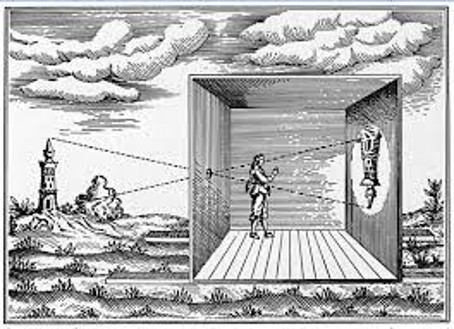
Last night we had the pleasure of learning about the early years of photography. Keith Appleby, our speaker, explained the development of photography from its beginnings at the start of the 19th century to it becoming a major means of communication and its establishment as an art form. He explained the technical developments of the medium alongside a look at the work of key photographers who were so important to the establishment of photography.
Keith’s main interest was in the way the camera could extract and simplify forms from the environment to create interesting and challenging abstract forms. Many of the abstractions come from observation but in other instances the images are developed into a digital collage with the use of photo editing software.
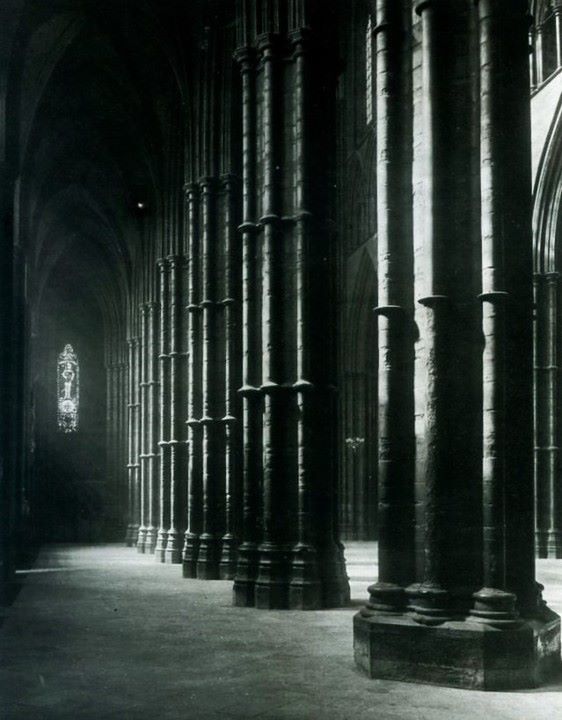
The images Keith displayed from the earliest Daguerreotypes (1839) through to Cartier Bresson’s images of 1932 and Dorothea Lang’s 1936 documentary photography all had one thing in common – Light and shadow – light against dark.
It was an inspiring talk, and one that made the audience feel that these earlier photographers really understood their art. The way they were able to judge the variants of light and dark to produce an image, not knowing the results until the film was developed and printed. Unlike today, where the photographer can experiment and check images captured in-camera, and quickly delete all those not coming up to standard.